How To Make A Flower Wreath: A Beginner’s Guide With Pictures
This post may contain affiliate links. Please read our Disclosure Policy.
Creating a stunning floral wreath is easier than you might think! Whether you’re looking to brighten up your front door or add a touch of charm to your home decor, learning how to make a flower wreath is a rewarding and enjoyable project. In this beginner-friendly guide, you’ll discover simple steps, helpful tips, and creative ideas to design a beautiful wreath that suits your style—all with easy-to-follow pictures to guide you along the way.

As someone who’s created dozens of wreaths over the years, I’m excited to share my step-by-step process that will help even complete beginners learn how to make a flower wreath with ease. The best part? You can customize your wreath for any season or holiday! Whether you’d like to try a unique design like this heart-shaped wreath form, create a festive Christmas swag, or craft a timeless traditional Christmas wreath, the possibilities are endless!
How to Make a Floral Wreath for Beginners
Creating a beautiful wreath doesn’t require professional florist skills—just a bit of patience and creativity. If you’ve ever admired my elegant outdoor wreath decorations and wondered how to make your own, this guide will walk you through the process.

Materials Needed:
- Wreath base: I recommend a grapevine wreath form (12-14 inches) for beginners
- Wire cutters (I use linesman pliers)
- Faux flowers: I used 2 bundles of each color tulip (12 flowers) in white, pink, and yellow
- Greenery: 1 bunch of leafy stems
- Accent flowers: 1 bunch of miniature roses (light pink)
- Filler flowers: 6 bundles of smaller accent flowers
- Floral wire (optional, for securing)
- Decorative additions: Plastic Easter eggs (optional)
Note: Feel free to customize your wreath with different types of flowers to suit your style or seasonal theme. Consider adding small flowers like baby’s breath for delicate accents, or vibrant blooms such as yellow ranunculus, amaranth, or peonies for a fuller, more luxurious look. For added texture, elements like willow branches or dried grasses can bring a natural touch to your design. Mixing various textures and colors will help your wreath stand out!
Crafting Tip: Source most of your flowers from dollar stores to keep costs down, then add a few higher-quality stems from craft stores like Michaels to elevate the overall look.
Step-by-Step Guide:
1. Prepare the Base
I chose a grapevine wreath because it’s beginner-friendly. The natural twigs create plenty of spaces to tuck flower stems without needing a hot glue gun, making it easy to adjust your design as you go.
2. Select and Prepare Flowers
Use your wire cutters to trim flower stems to approximately 4-6 inches in length—this is ideal for securing into the grapevine base. Remove any excess foliage or leaves from the stems to create a cleaner look and make insertion easier.

Crafting Tip: Before you start placing flowers, lay them out in groups by type and color to help visualize your arrangement and ensure even distribution around the wreath.

3. Attach Greenery
Begin by adding your greenery stems, and spacing them evenly around the wreath. The greenery serves as the foundation and backdrop for your colorful flowers. Insert the stems at a slight angle, pushing them securely into the grapevine wreath.

4. Add Flowers
Start with your largest flowers first—in my case, tulips. Place them evenly around the wreath, inserting their stems deeply into the grapevine base. I arranged white, pink, and yellow tulips in alternating colors for a balanced look.
After placing all tulips, move on to your next largest flower type. I added light pink roses next, tucking them between the tulips to create a layered effect. This layering technique is similar to what I use in my fall wreath tutorial with flowers, golden pumpkins, acorns, and leaves, just with different seasonal elements.

Crafting Tip: Step back frequently to check your work from a distance. This helps identify any areas that need more balance or fullness.
5. Add Filler Flowers
Once all your main flowers are in place, add smaller filler flowers to close any gaps. These whispier, delicate blooms add texture and fullness to your wreath. Tuck them in between the larger flowers, making sure to distribute them evenly.

6. Finalize the Design
If your wreath will be displayed outdoors where it will be exposed to weather, secure the flowers with floral wire. Carefully thread wire behind the flower heads and around the wreath base to keep everything in place.
For my spring/Easter wreath, I added colorful plastic eggs throughout the design using floral wire. These seasonal touches can easily be removed later, allowing the wreath to transition between seasons.

Crafting Tip: If using faux flowers with high pigmentation (like red or orange) outdoors, do a water test on one petal first. I once had red fall leaves that bled dye onto my front door after rainfall!
How to Make a Flower Wreath for Different Seasons
One of the joys of creating your own wreath is the ability to customize it for any time of year. Here are some seasonal variations to inspire you:
Spring Wreath
Embrace renewal with bright tulips, daffodils, and forsythia. Pastel colors like pink, yellow, light blue, and lavender capture spring’s fresh energy. Add Easter eggs for a holiday touch, as shown in my examples. For more inspiration, see my Easter chick spring wreath, this charming DIY spring wreath, or my wooden hope Easter wreath sign for creative ideas.

Summer Wreath
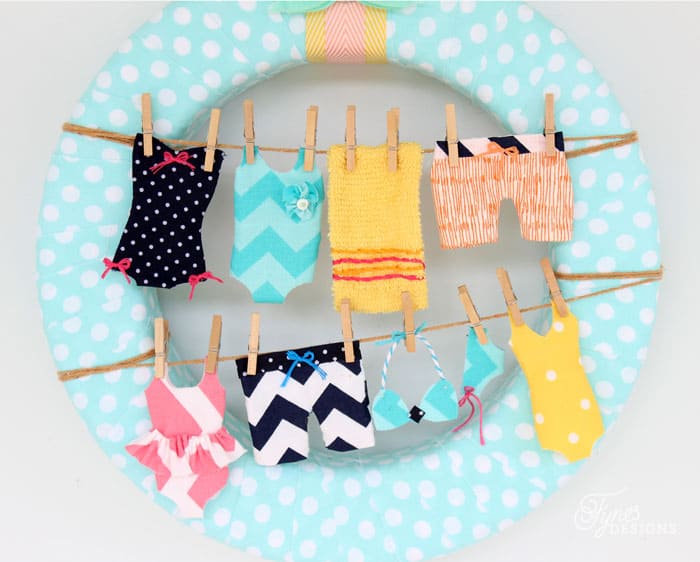
Go bold with sunflowers, zinnias, and dahlias in vibrant yellows, oranges, and pinks. For something truly unique, check out my summer wreath idea with swimsuits on a clothesline for a playful take on seasonal decor.
Fall Wreath
Warm oranges, deep reds, and golden yellows with maple leaves, wheat stalks, and small pumpkins create a cozy autumn feel. My fall wreath tutorial shows how to incorporate these seasonal elements for a stunning autumn display. For even more fall inspiration, see my fall porch decorating ideas to extend the warm, welcoming vibe beyond just your front door.
Winter Wreath
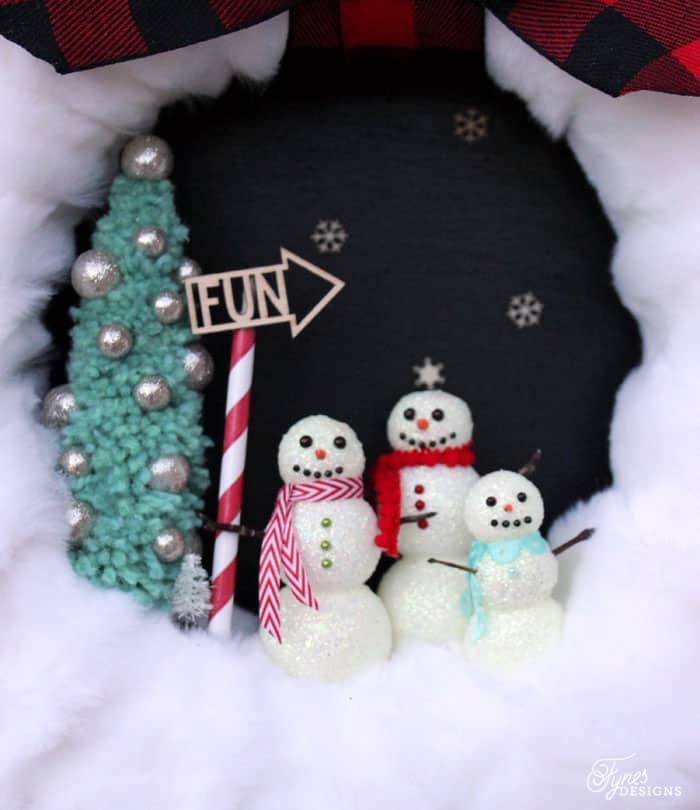
White flowers, silver or gold accents, pine cones, and evergreen sprigs make for an elegant winter display. Add red berries or ornaments for a festive holiday touch. If you prefer a more traditional approach, my guide on how to make a traditional Christmas wreath provides step-by-step instructions. For a slightly different take, you might also enjoy learning how to make Christmas swag using similar materials.
Crafting Tip: Take photos of your finished wreaths before disassembling them for the next season. This creates a personal reference library of designs you’ve loved!
How Do I Attach Flowers to a Wreath?
There are several effective methods for securing flowers to your wreath base:
Insertion Method (For Grapevine Wreaths)
Simply insert stem ends directly into the natural gaps in the grapevine wreath. This method allows for easy repositioning and requires no adhesives—perfect for beginners!
Floral Wire Method
For more security, especially in outdoor applications:
- Position your flower where desired
- Wrap floral wire around both the stem and wreath base
- Twist to secure, then trim excess wire
Hot Glue Method
For foam or straw wreaths where insertion isn’t possible:
- Apply a dollop of hot glue to the cut end of your stem
- Press firmly against the wreath base
- Hold for 10-15 seconds until set
Crafting Tip: When working with heavier elements like large flower heads or decorative items, use a combination of methods (like insertion plus wire) for extra security.
Is It Cheaper to Buy or Make a Wreath?
After making numerous wreaths myself, I’ve done the cost comparison:
For this 14-inch wreath, I spent approximately $35 on materials. Similar-sized wreaths at retailers like Michaels, HomeSense or HomeGoods were comparably priced, but typically smaller in diameter and less densely flowered.
The Value Proposition of DIY Wreaths:
- Customization: Create exactly the look you want
- Quality control: Choose which flowers and elements to include
- Versatility: Design for multiple seasons by changing key elements
- Satisfaction: Enjoy the creative process and display your handmade creation
For the same price as a store-bought wreath, you get a larger, fuller piece that can be adjusted throughout the year—making the DIY approach much more economical in the long run.
How Many Flowers Are Needed to Make a Wreath?
The quantity depends on several factors:
For a 12-14 inch wreath (like the ones pictured):
- Large focal flowers (tulips): 30-36 stems (I used 36 tulips total)
- Medium accent flowers (roses): 8-10 stems
- Small filler flowers: 6-8 bunches
- Greenery: 1-2 bunches
Factors affecting quantity:
- Wreath size: Larger wreaths require more flowers
- Flower size: Smaller blooms require more stems for full coverage
- Design density: A fuller look requires more materials
- Balance of flower types: A good ratio is 50% large flowers, 30% medium flowers, and 20% fillers
Crafting Tip: Buy slightly more materials than you think you’ll need. It’s easier to return unused items than to find exact matches later if you run short.

What Is a Cheap Alternative to Wreaths?
If you’re looking for budget-friendly options, consider these alternatives:
Embroidery Hoop Wreath
Use a wooden embroidery hoop as your base and attach minimal greenery and flowers to one section for a modern, minimalist look.
Flat-Backed Basket Arrangement
Find a flat-backed basket that hangs on the wall. Fill with seasonal flowers that can be easily switched out as seasons change.
Twig Bundle Door Hanging
Gather fallen branches, tie with ribbon or twine, and add just a few floral accents for a rustic, natural look. This approach is similar to my Christmas swag tutorial but can be adapted for any season.
Money-Saving Tips:
- Shop secondhand: Find wreath bases and faux flowers at thrift stores to repurpose
- Dollar store treasures: Most of my flowers came from dollar stores
- Garden harvesting: Dry hydrangeas, lavender, or other garden flowers for free materials
- After-season sales: Stock up on seasonal flowers at 70-90% off after holidays
Crafting Tip: Join crafting Facebook groups where members often sell or trade excess materials at a fraction of retail prices.
FAQs About Making Flower Wreaths
With proper care, artificial flower wreaths can last for years. When not in use, store them in a plastic bag away from direct sunlight. I like to put a hanger through the middle and hang the out-of-season wreaths in a closet until needed again. Fresh flower wreaths typically last 1-2 weeks if properly hydrated.
For artificial wreaths, dust occasionally with a hair dryer on cool setting. For outdoor wreaths, bring them inside during extreme weather and try to keep them out of direct sunlight as the flowers will become bleached from the sun.
Yes! Use a floral foam wreath base soaked in water. Real flower wreaths are gorgeous but temporary, making them perfect for special occasions like weddings or parties.
Your Turn to Create A Flower Wreath
Making a flower wreath is a rewarding project that yields beautiful results. Whether you’re decorating for a specific season or simply want to add a touch of nature to your home, the techniques in this guide will help you create something truly special.
I’d love to see what you create! Share your wreath photos in the comments section below or tag me on social media.